












Two Lands – One Table
There are restaurants we go to eat at.
And there are restaurants where, even before we sit at the table, we have already begun to travel. Arady belongs to the second category.
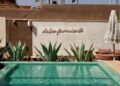
Hidden between Campolide and Amoreiras, in a space that seems protected from the movement of Lisbon, Arady reveals itself almost like a secret passage to another geography. It is enough to cross the entrance to realise that something has changed.
The rhythm. The light. The aromas. The atmosphere.
And, above all, the feeling that we are about to enter a place where the meal is much more than a meal.
Arady means “lands” in Arabic.
And perhaps few words could define the essence of this project so well. Because here there are two lands, two cultures, two ways of experiencing the table that do not confront each other or seek to prevail over one another.
They meet.
Portugal and Morocco sit at the same table.
And from this proximity comes an experience that is as much gastronomic as it is emotional.
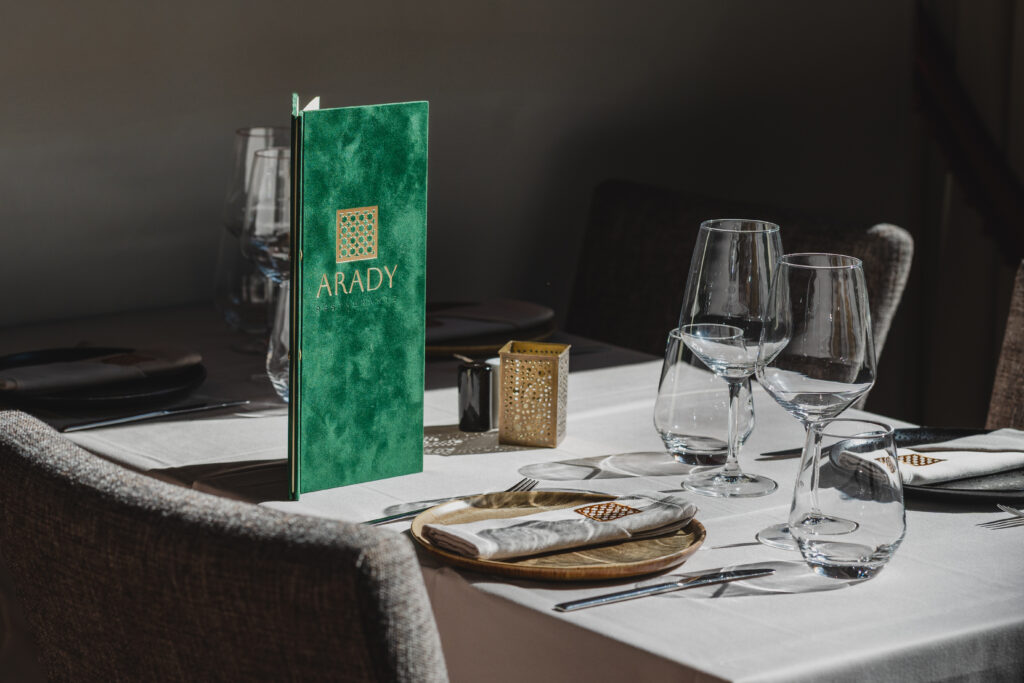
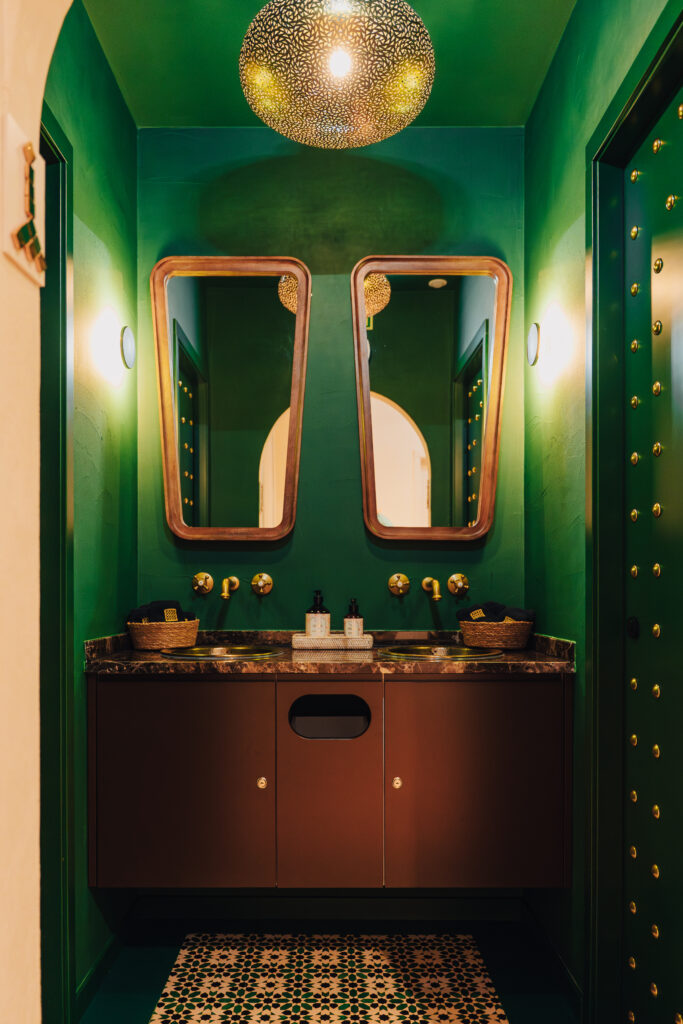
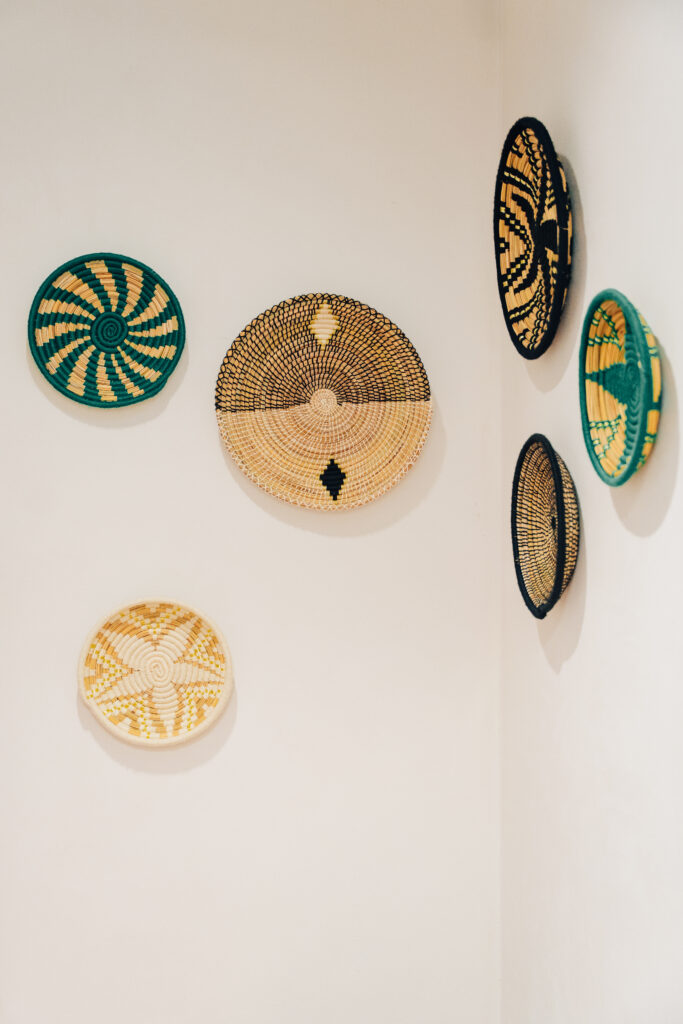
Arady was born from a Moroccan family, a mother and her two daughters, who brought with them not only the memories of a distant land, but also a very particular way of understanding hospitality.
The restaurant is, in this sense, an extension of that family story: a place built with identity, affection and a genuine desire to share a culture.
There is something particularly beautiful about that intention.
Because it is not simply about bringing Morocco to Lisbon. It is about opening a door.
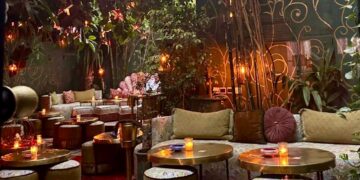
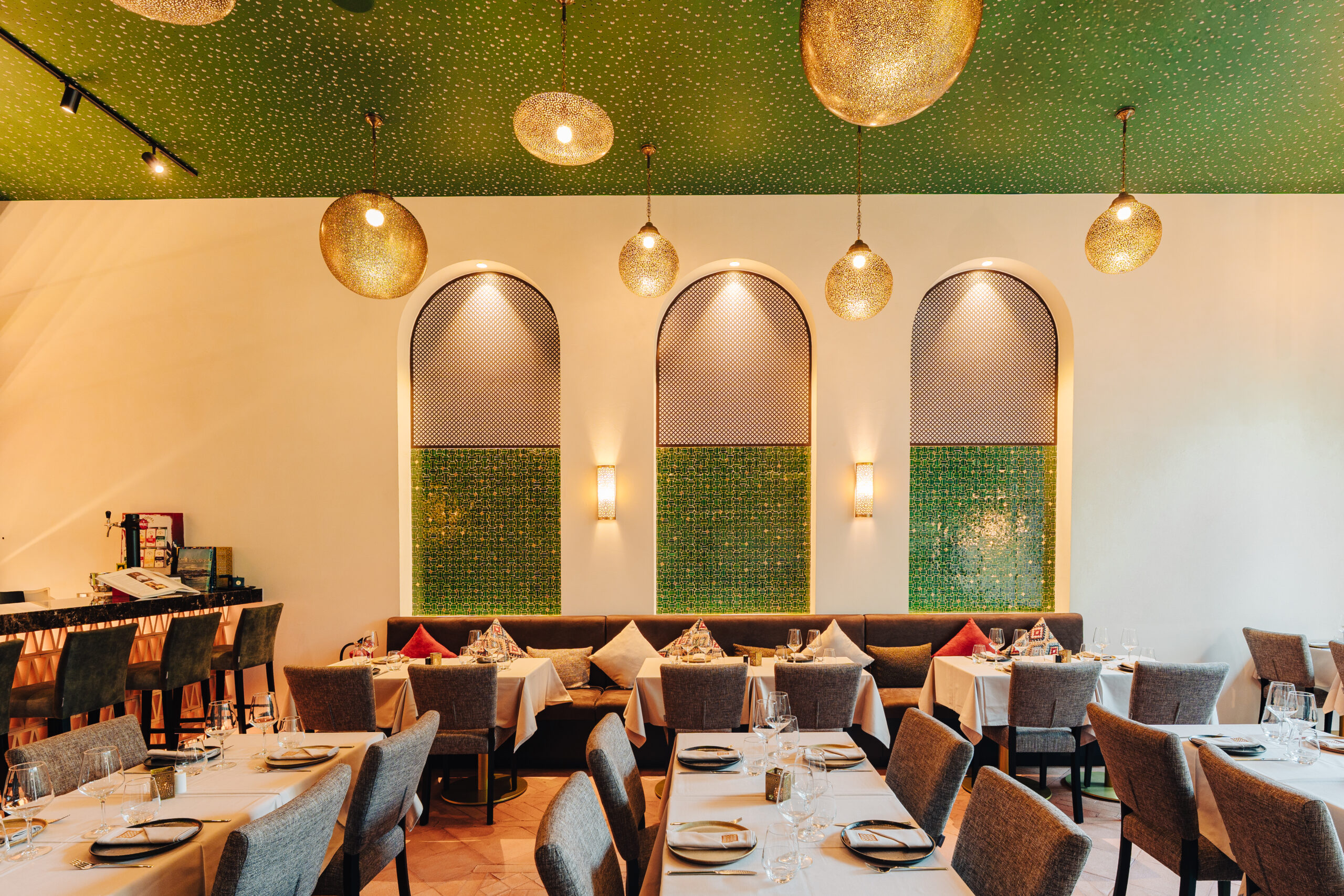
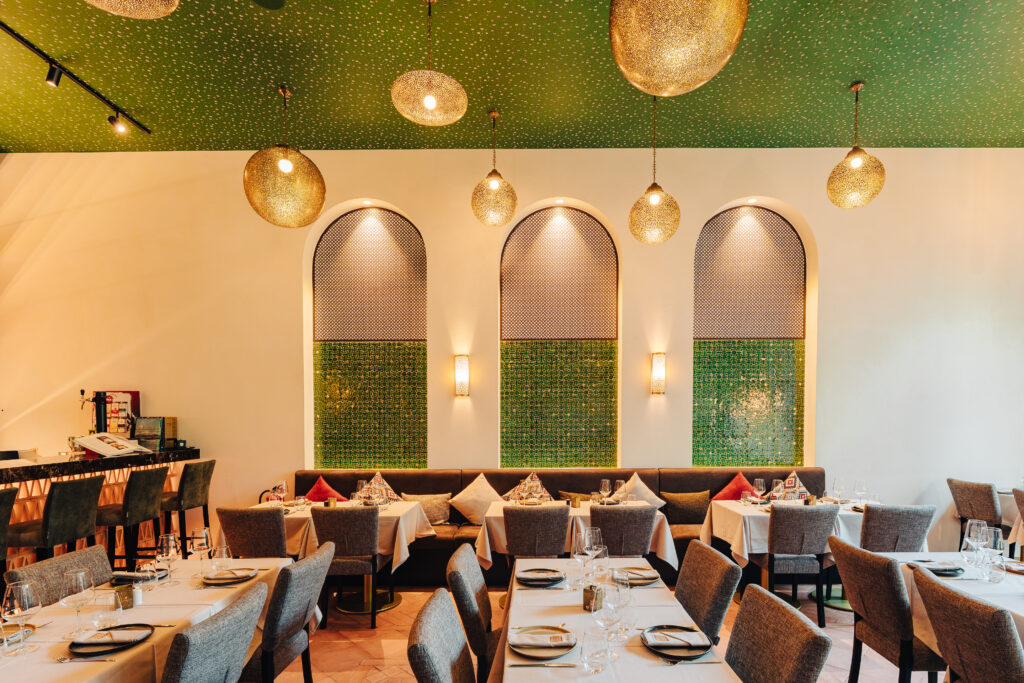
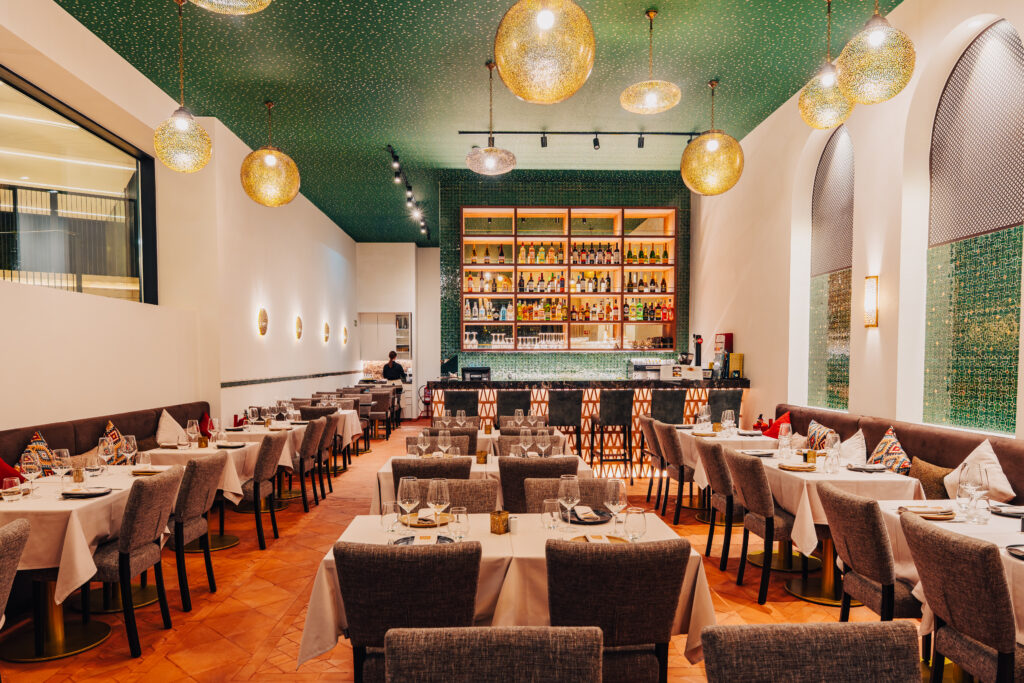
And allowing those who enter to cross that door for a few hours. The dining room is one of the first things that transports us.
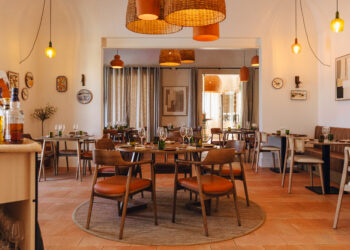
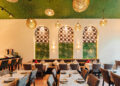
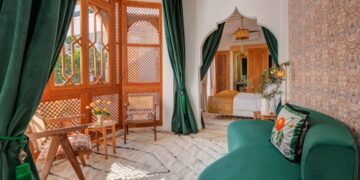
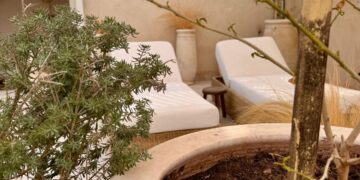
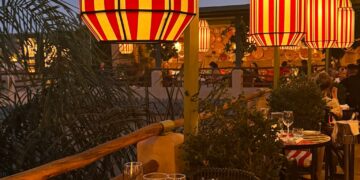
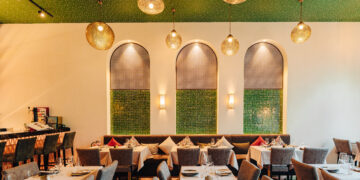
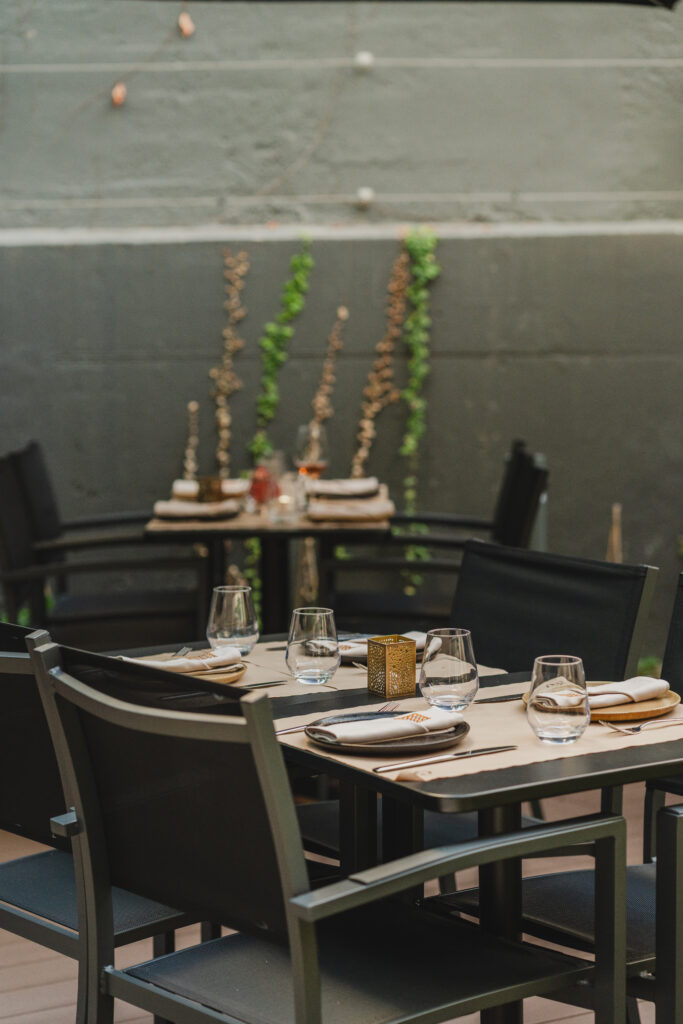
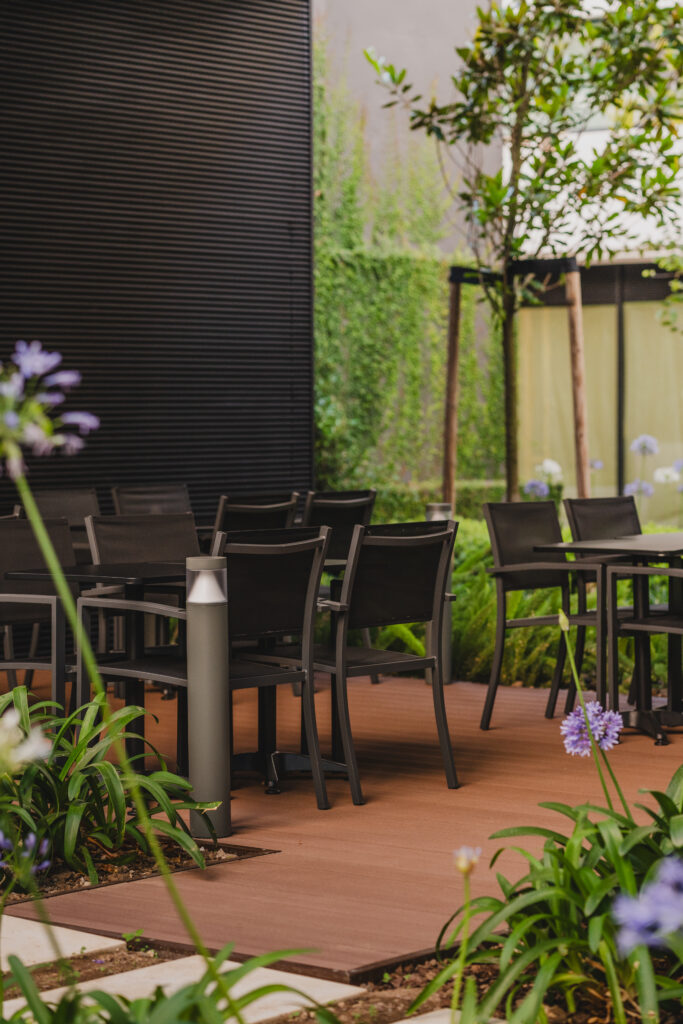
Elegant, enveloping and deeply marked by Moroccan aesthetics, it is a space where the colours, light and materials seem to have been chosen to create an atmosphere of intimacy and discovery. The Moroccan lamps, the handcrafted tiles from Marrakech and the details that reveal themselves slowly create a sophisticated room, but never an excessive one.
There is beauty. But there is also soul.
Nothing seems to be there merely to decorate. Every element helps to tell a story.
And when the light begins to fade, the dining room takes on another dimension. The glow of the lamps, the reflections, the warm tones and the closeness of the tables create that rare feeling of being simultaneously in Lisbon and very far from it.
It is in that moment that we realise the journey has already begun.
Before the food. Before the flavours. Before the first bite.
It begins with the ritual. Because at Arady, Moroccan hospitality is not a concept. It is a gesture.
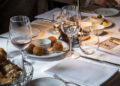
The meal begins with a traditional hand-washing ritual with orange blossom water, served at the table in a gesture of welcome that transforms the first moments of the meal into a kind of passage between two worlds.
It is a simple moment. But an extraordinarily symbolic one.
There is something profoundly human about someone taking care of us before we begin to eat. And perhaps it is precisely there that Arady begins to reveal its true identity.
In hospitality. In attention. In the small gestures.
In the way we are welcomed.
Because a Moroccan table does not necessarily begin with the dish.
It begins with the person welcoming us.
With sharing. With time. With closeness.
And at Arady, that dimension can be felt.
There is a hospitality that does not seem rehearsed. A warm way of welcoming us that makes us feel less like customers and more like guests.
It is this humanity that allows the restaurant to have such a distinctive personality. And then the cuisine arrives.
A cuisine where Portugal and Morocco are not simply two references placed side by side, but two identities learning to speak to one another.
Chef Hélder Martins’ work finds its place precisely there.
His cuisine seeks to create a bridge between two worlds, respecting the identity of each while allowing the flavours to meet naturally. Arady’s own concept embraces this fusion as a journey between heritage and reinvention.
And perhaps that is the best way to understand the Arady gastronomic experience.
Not by trying to determine where Portugal ends. Nor where Morocco begins. But by allowing both to arrive at the table.
There is the fragrance of spices. The freshness of citrus.
Herbs. Olive oil. Deeper flavours.
The delicacy of ingredients treated with precision.
And that distinctly Moroccan ability to turn food into an experience of aromas, colours and textures.
At the same time, there is something familiar. A Portuguese memory that appears here and there. A flavour we recognise.
A reference that brings us closer to home.
And it is in this tension between recognition and discovery that the experience becomes particularly interesting.
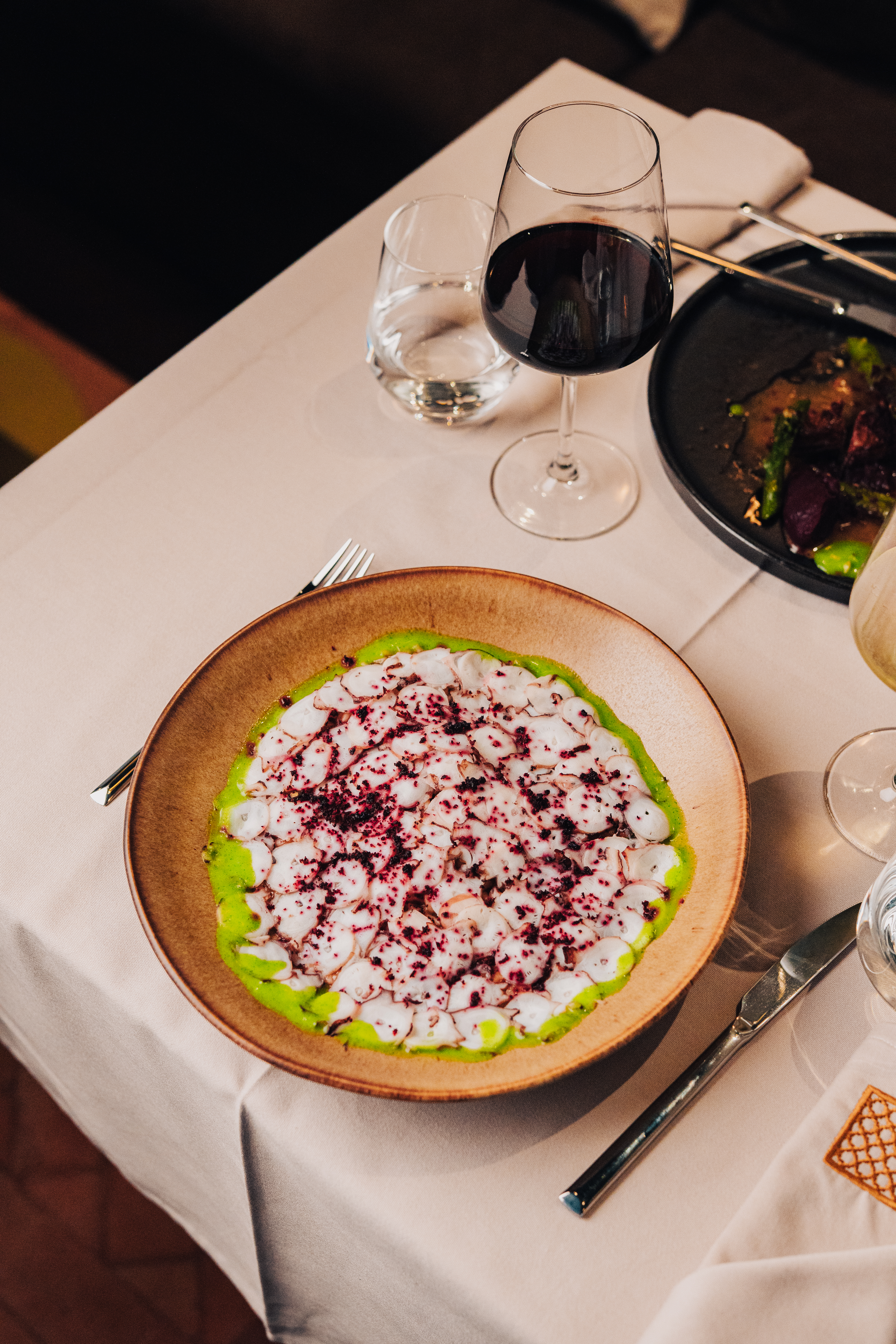
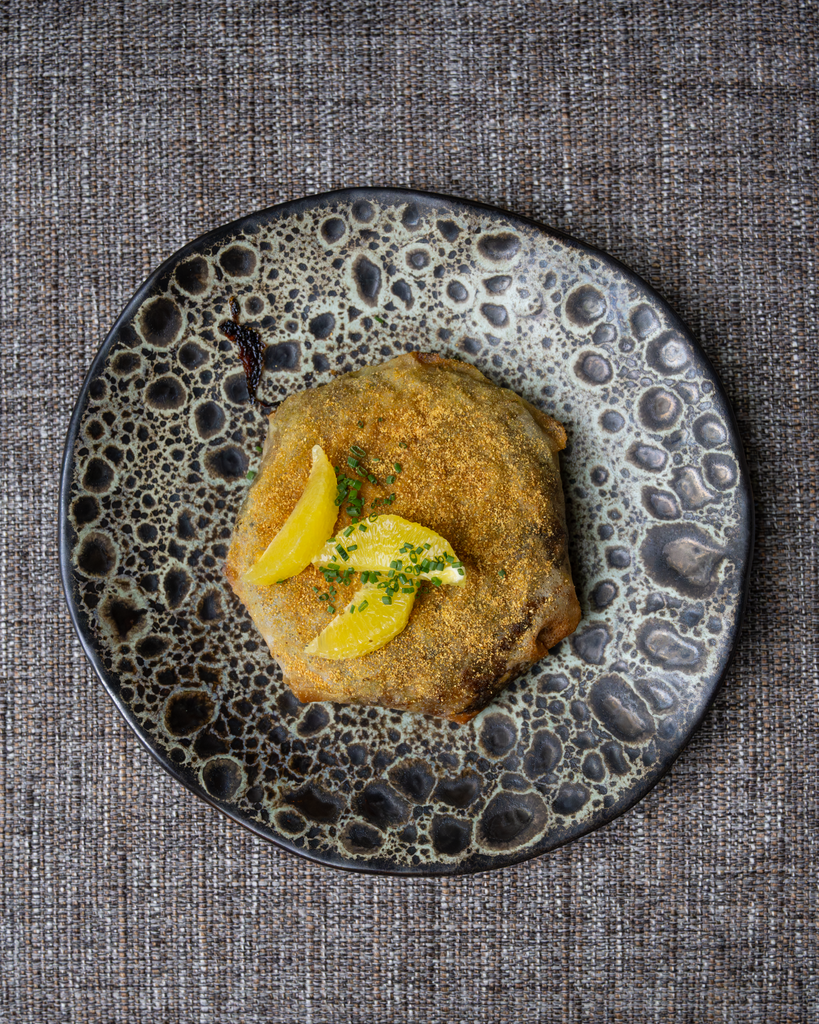
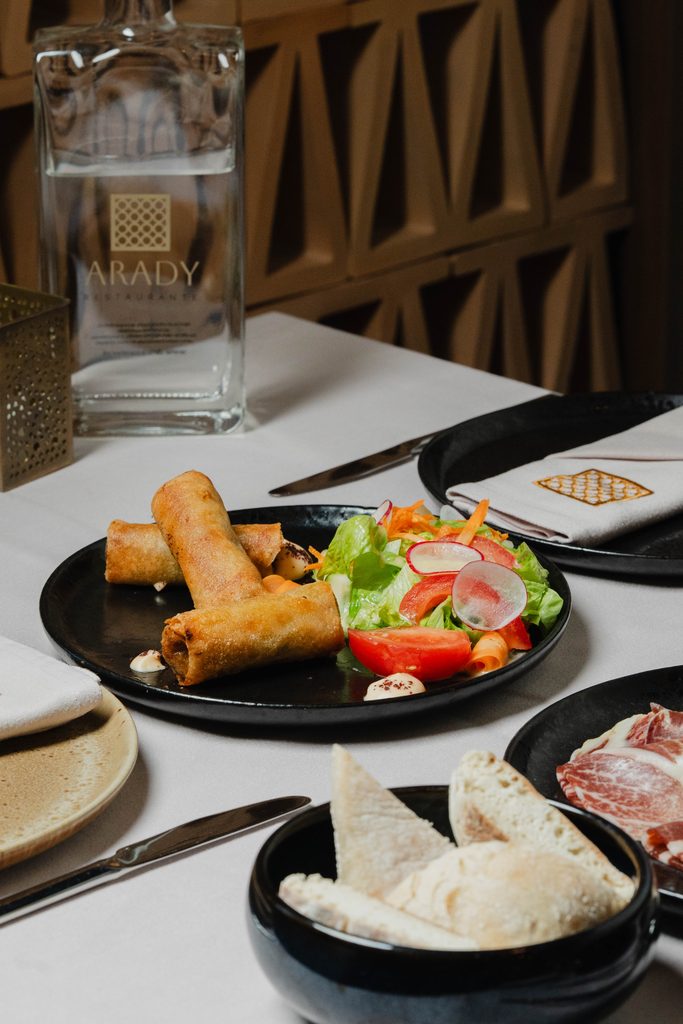
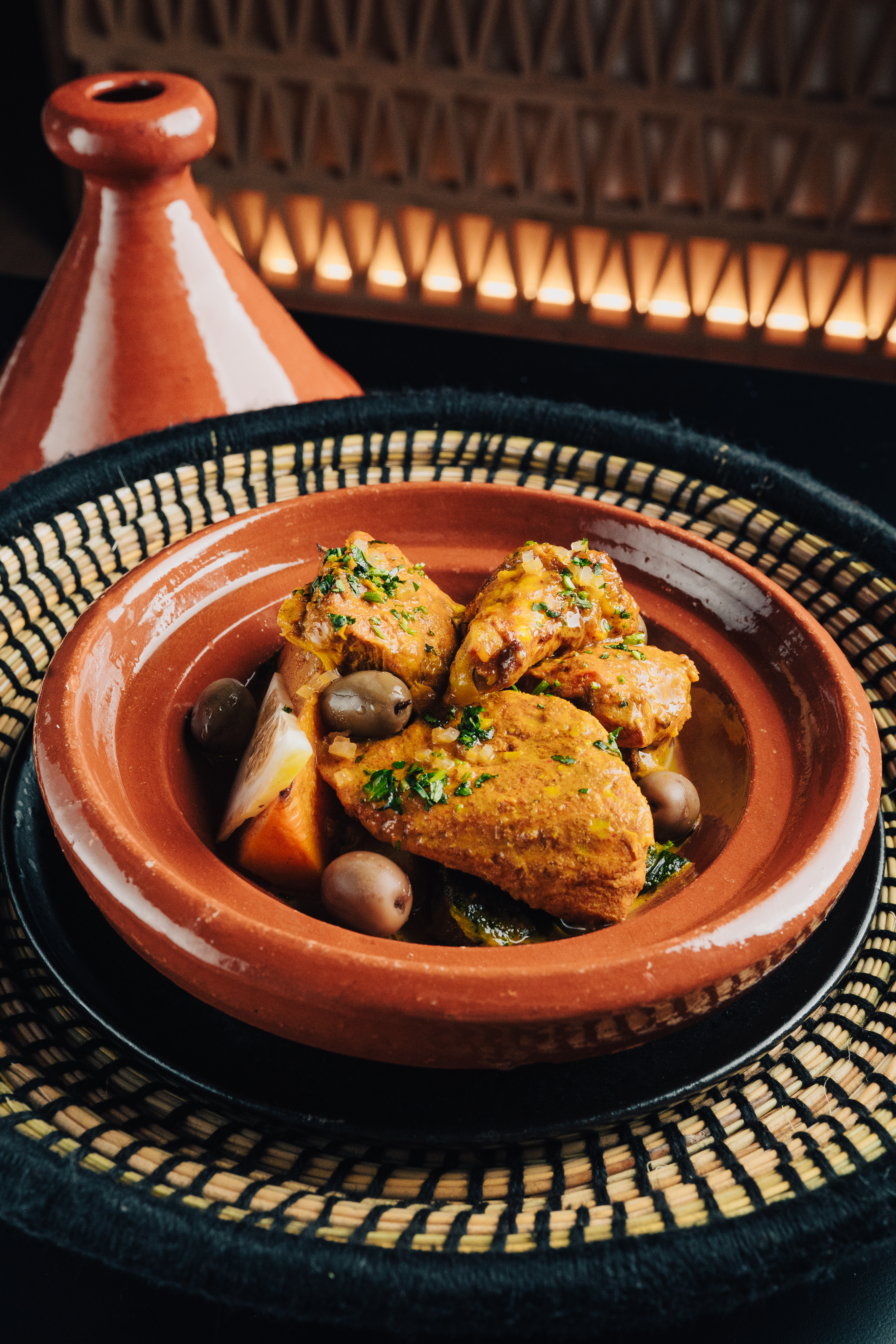
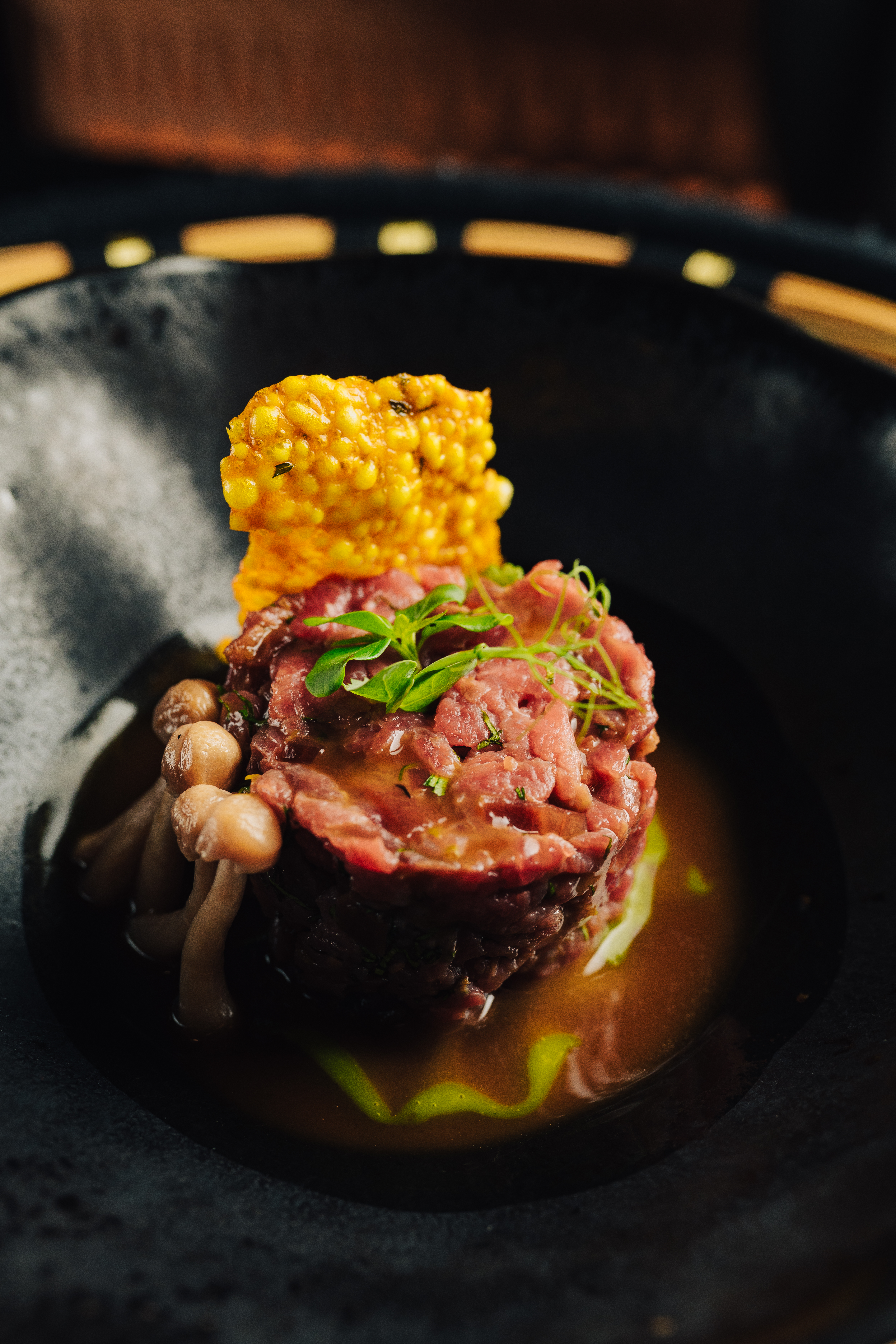
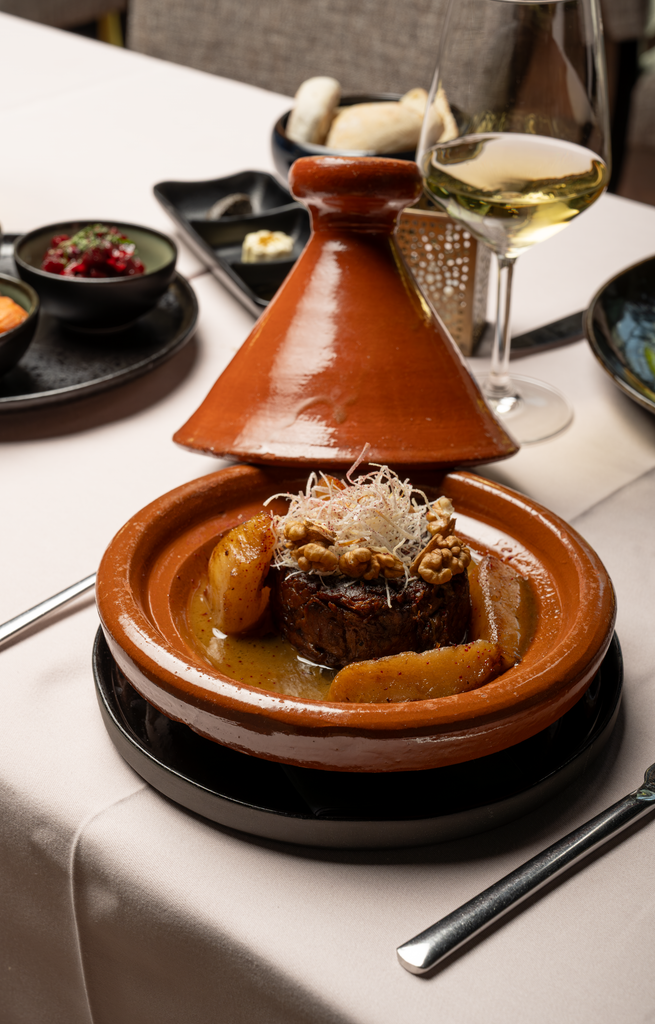
The new menu extends this journey through a cuisine marked by freshness and seasonality, bringing together Moroccan and Portuguese references in dishes from the sea, the land and the vegetarian world.
Among tagines, couscous, fish, cod and interpretations of Portuguese classics, the menu maintains this dialogue between two cultures as its guiding principle.
But perhaps the most interesting thing is not to try to understand everything immediately.
There are experiences that should be discovered slowly.
An aroma. Then another. A texture. A spice we recognise.
Another that surprises us. A flavour that takes us south.
Another that, unexpectedly, brings us back to Portugal.
It is a journey made of small revelations. And a journey that does not require a plane.
Because this is perhaps one of Arady’s greatest qualities: the ability to make us leave Lisbon without ever leaving Lisbon.
All we have to do is sit down. Let the dining room surround us.
Accept the ritual. And allow the table to do the rest.
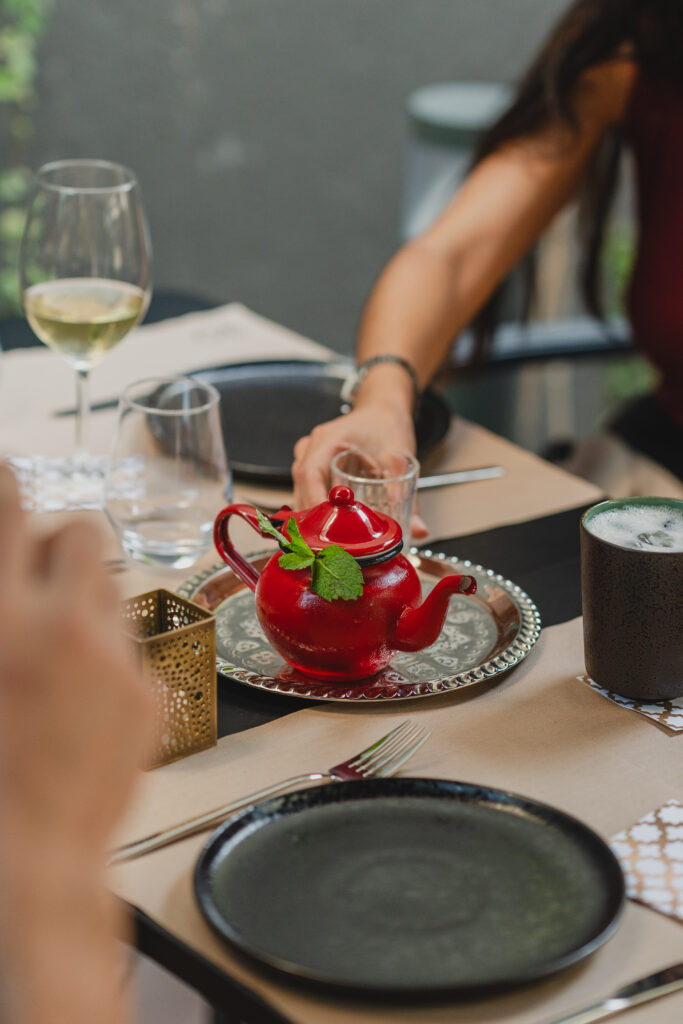
At the end, there is tea. And here too, Arady does not simply end with dessert.
The Moroccan Tea Ritual extends the experience and slowly brings us back to the space, the conversation and the moment. Served with the house’s petits fours, it is almost the final stage of the journey — the moment when we stop looking for new flavours and simply begin to enjoy time.
Perhaps that is Arady’s true elegance. Not wanting to impress at any cost. But creating an experience that remains.
A dining room that envelops us. A culture revealed through gestures.
A cuisine that brings two lands closer together. A hospitality that makes us feel welcome.
And a table around which Portugal and Morocco discover that they have much more in common than we might imagine.
When we finally leave, Lisbon is exactly where it was.
The streets remain the same. The city continues to move.
But something has changed. Because for a few hours we were in another land.
We experienced other aromas. We discovered other rituals. We shared another way of being at the table.
And perhaps that is what we seek when we choose a truly special restaurant.
Not simply to eat well. But to feel that, for a while, we were somewhere else.
Arady offers us precisely that possibility. A journey made of flavours, light, hospitality and memory.
A journey between two lands. Around a single table.
….
Chef Hélder Carreira Martins
With a two-decade career dedicated to cuisine, Hélder Carreira Martins brings to Arady an experience built on tradition, technical knowledge and a constant desire to discover and reinvent.
With degrees in Food Engineering and Kitchen Management and Production, he has worked in some of the most relevant national and international kitchens, with experiences in restaurants such as The Fat Duck, in England, and Arzak, in Spain, and has worked alongside names such as Alain Ducasse and Vítor Sobral.
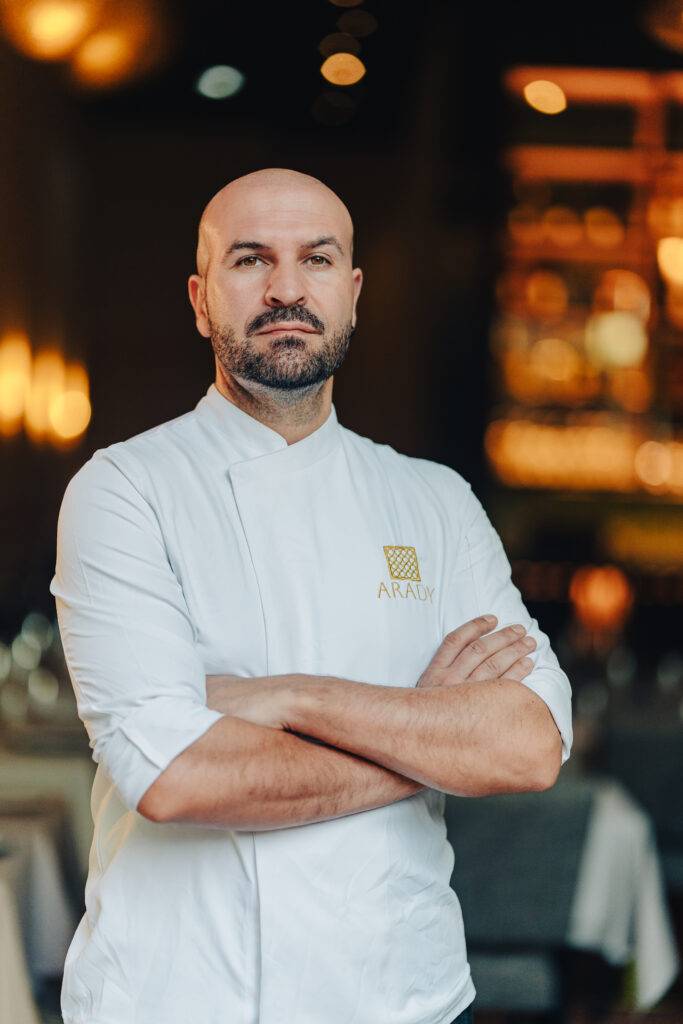
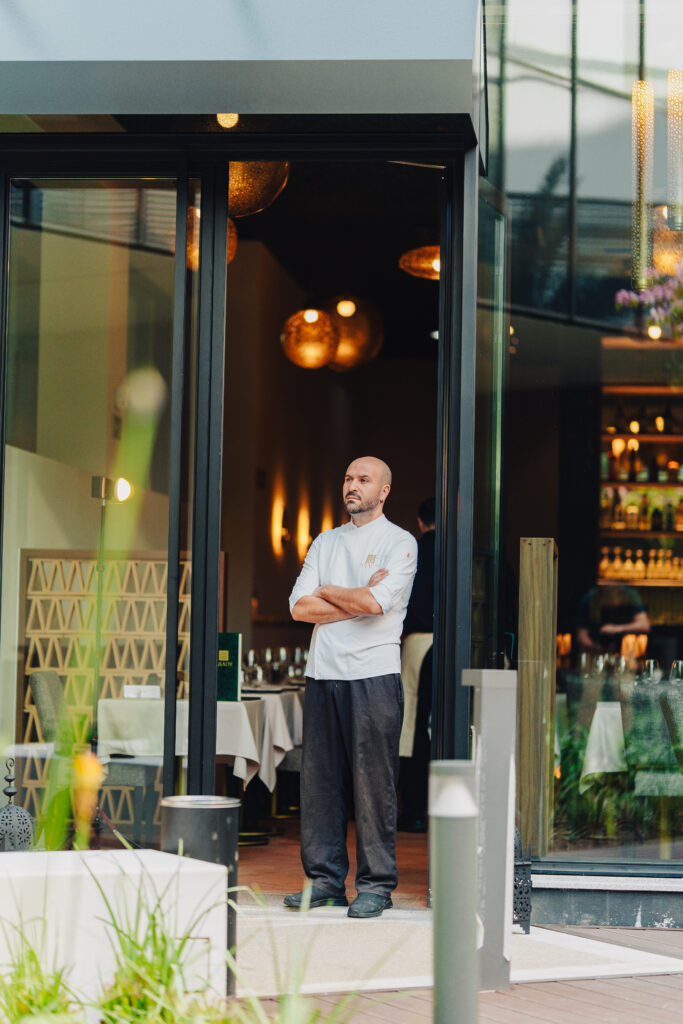
He was Executive Chef of the historic Tavares, in Lisbon, where he developed a contemporary and creative vision of cuisine, and also gained significant experience in the management of kitchens and Food & Beverage operations.
A trainer, participant in gastronomic congresses and events, and finalist of the Top Chef programme, Hélder Martins brings to Arady a cuisine that seeks to bring together cultures, techniques and memories — precisely the spirit of encounter between Portugal and Morocco that lies at the heart of the restaurant.
Photo Credits: Arady Restaurant