












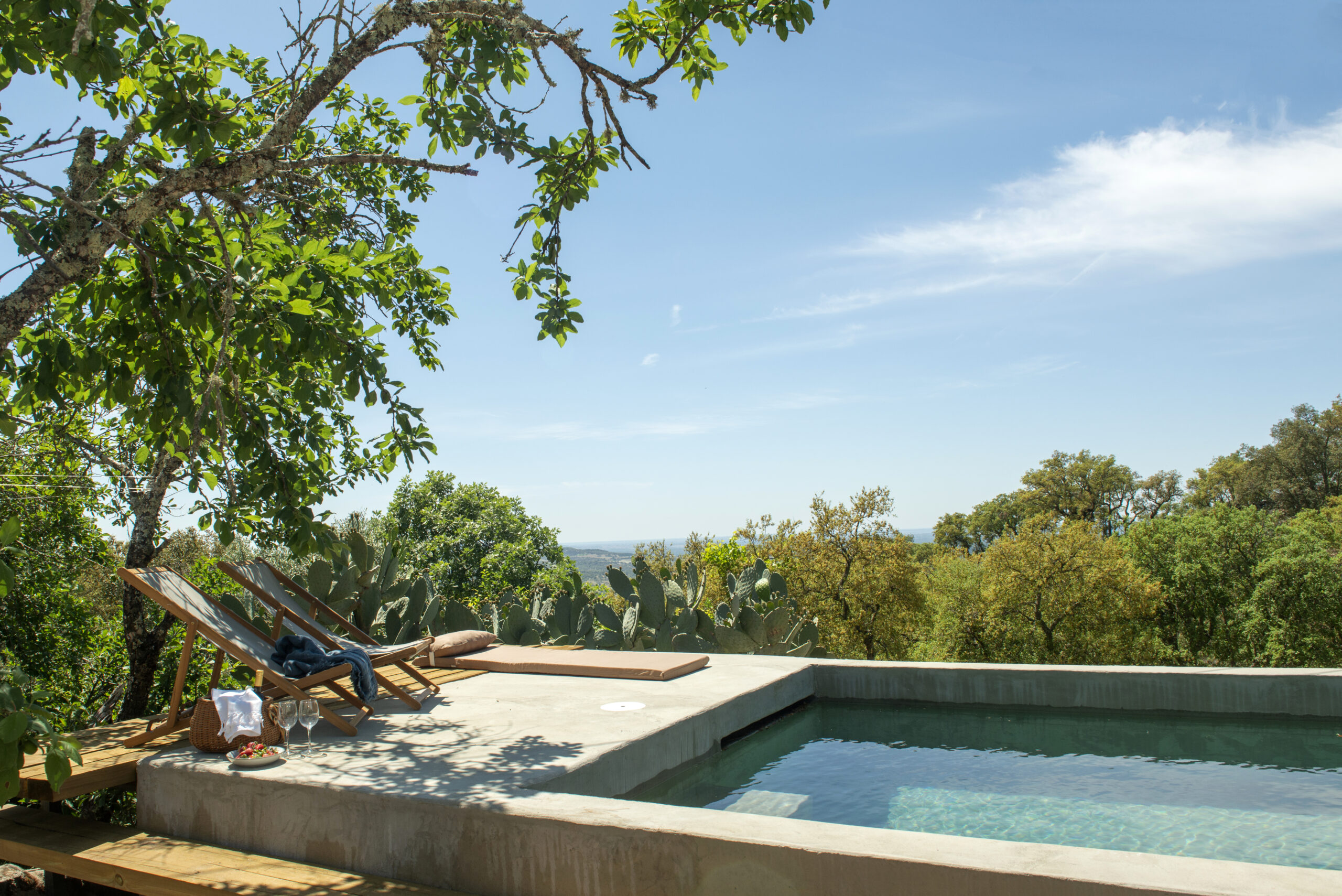
There are places that we discover. And there are places that discover us.
Perhaps that is what happens when we arrive at Vigias.
After the road, the bends, the last signs of human presence, a feeling that is difficult to explain begins to settle in. The world is left behind. The noise disappears. The landscape opens up. And before us, the Serra de São Mamede seems to be in no hurry at all.
Neither are we.
It is in that moment that we realise we have come for a different rhythm.
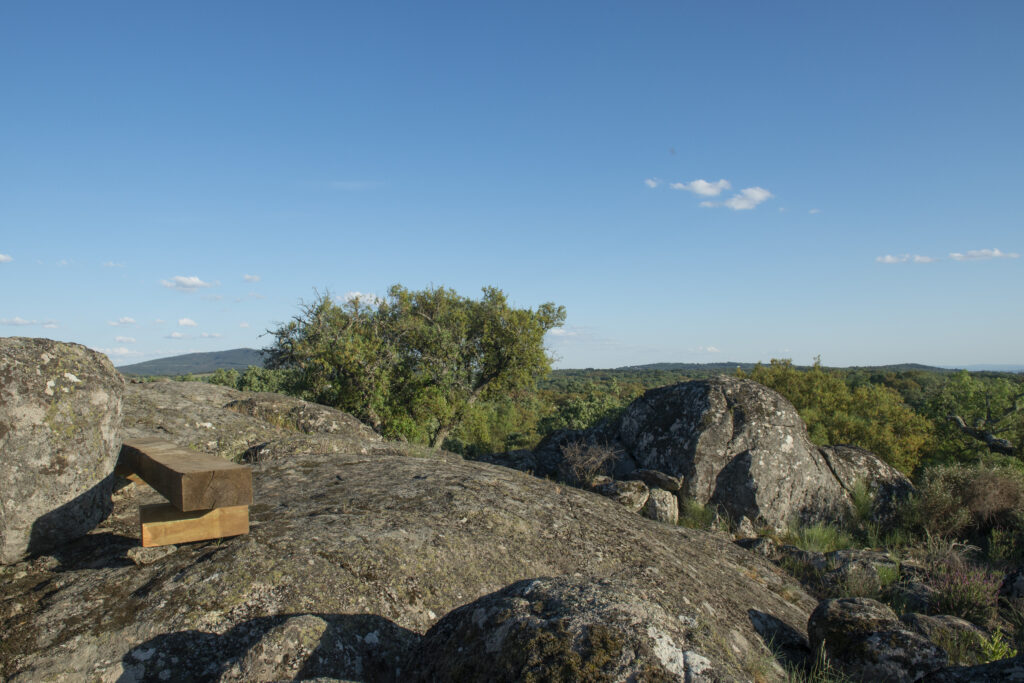
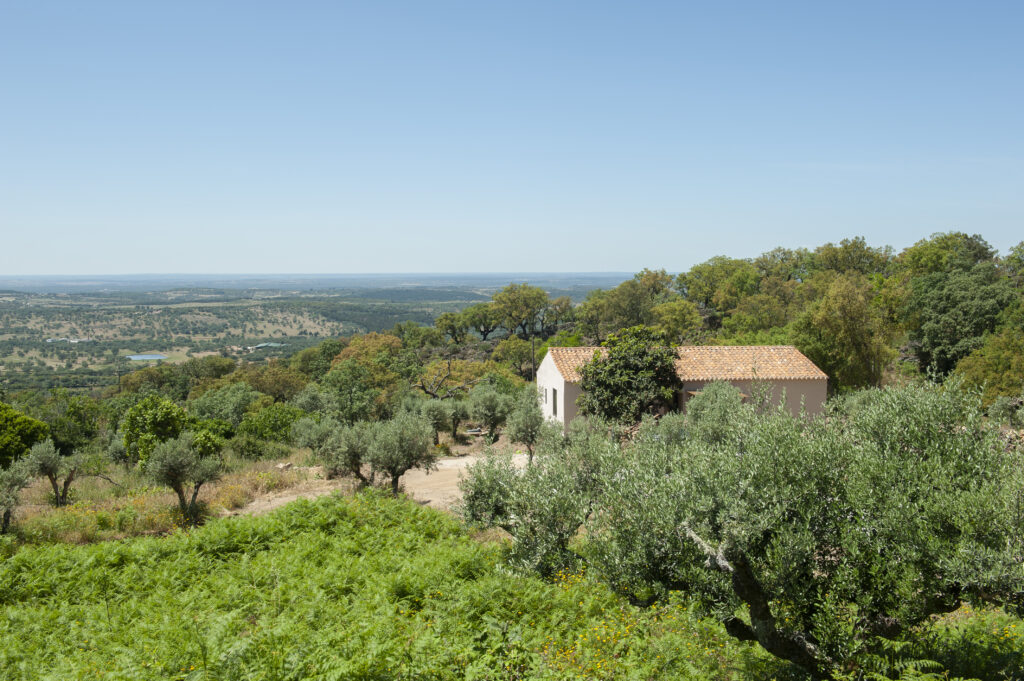
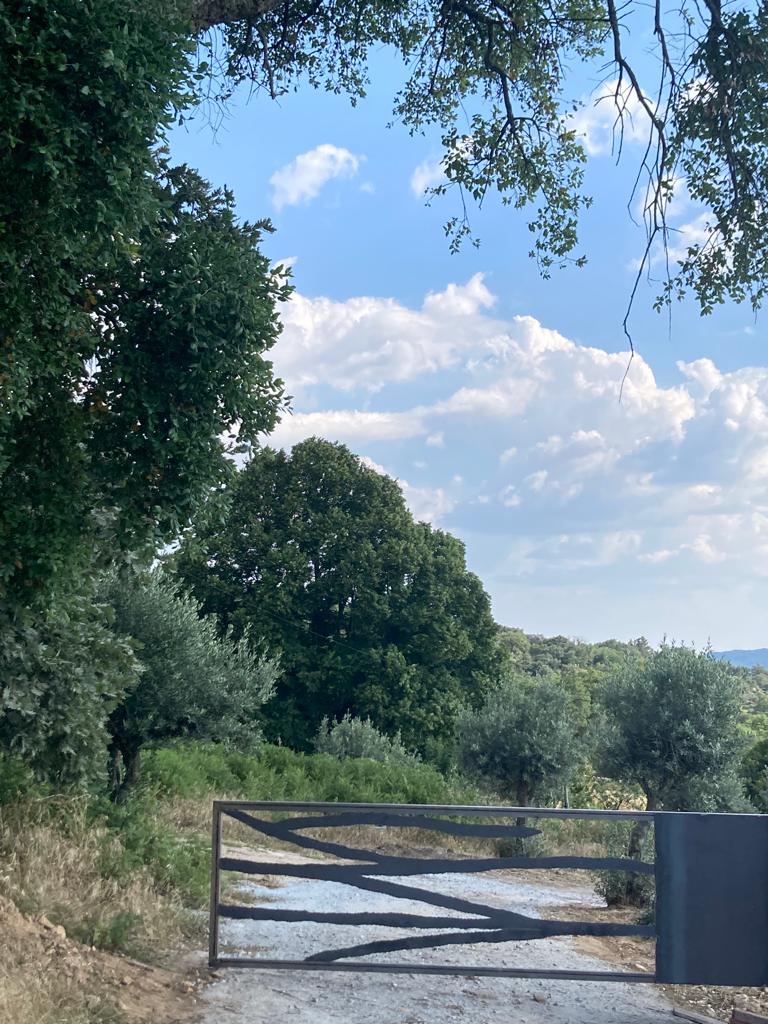
Vigias does not impose itself upon the landscape. It does not seek to overcome it, nor to turn it into a setting for exuberant architecture. The five houses seem to have been placed there with an almost silent delicacy, as if the land had already reserved those places for them.
Luxury begins precisely there. In the ability not to add what is unnecessary.
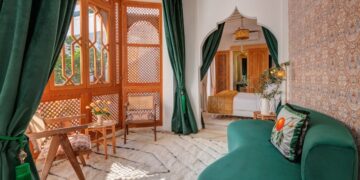
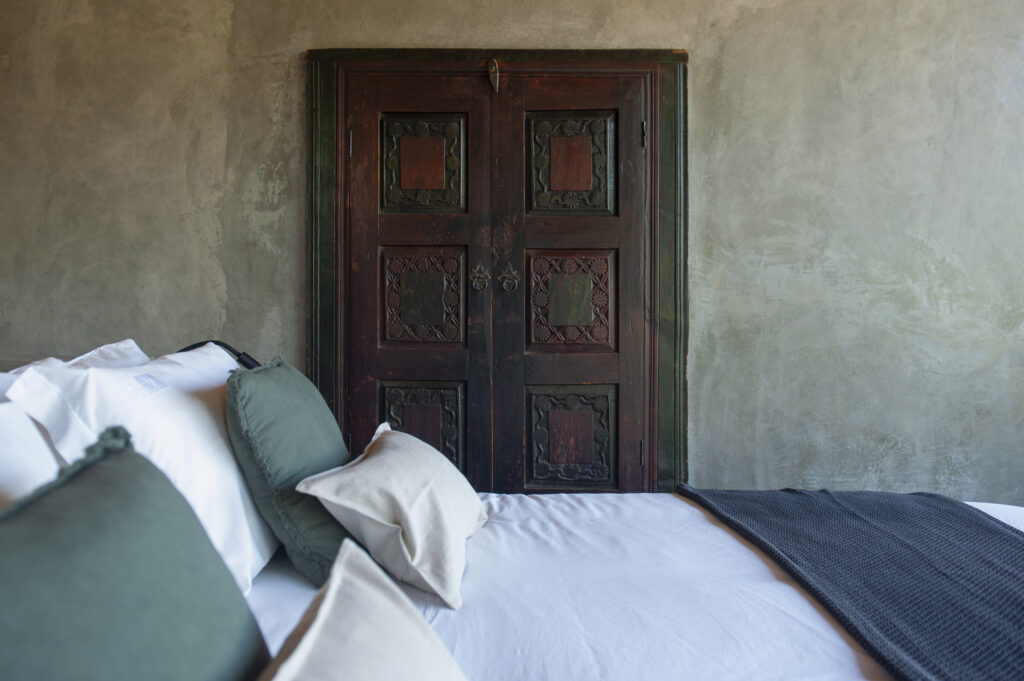
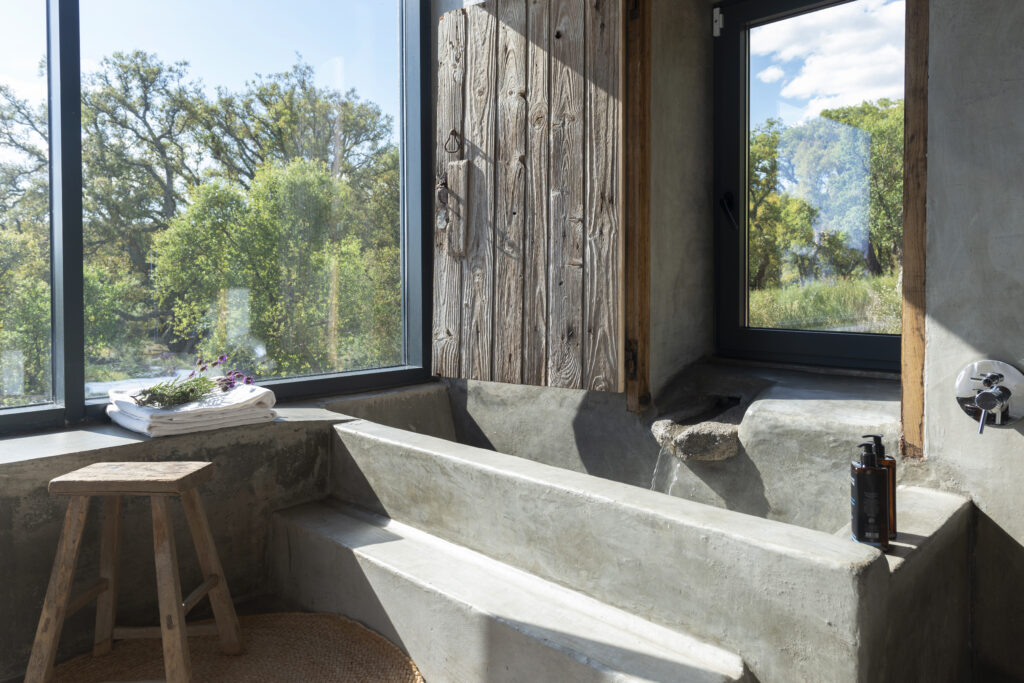
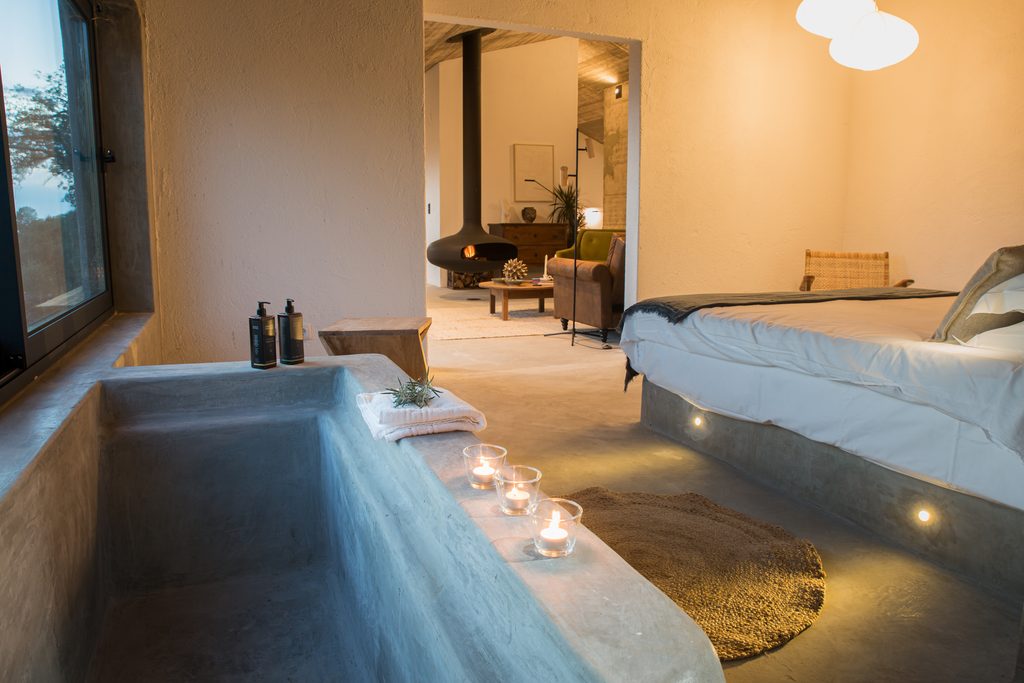
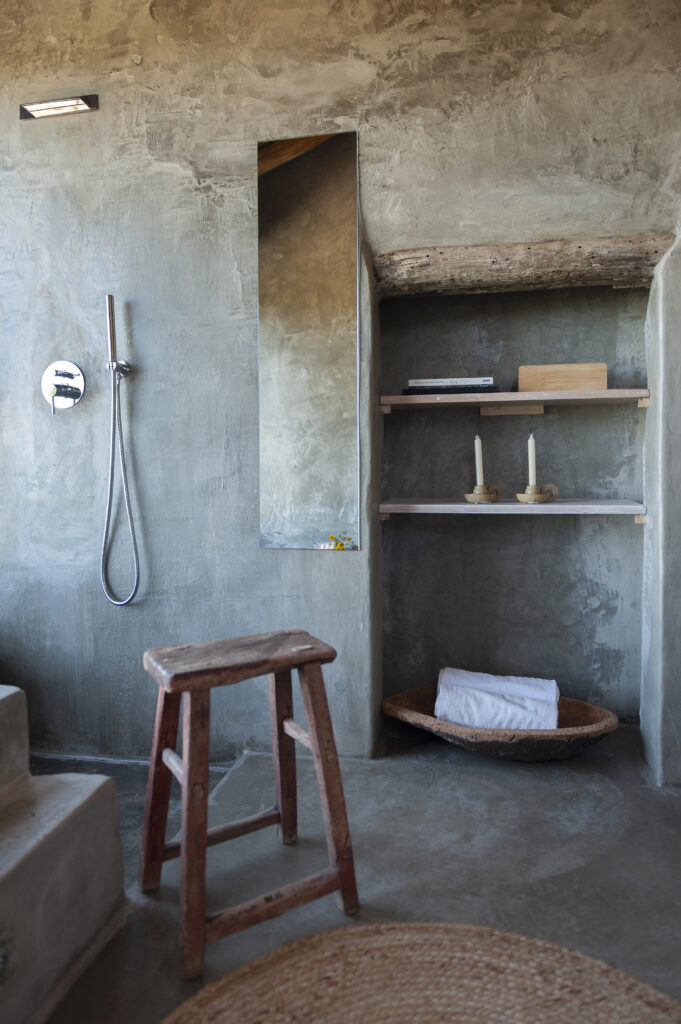
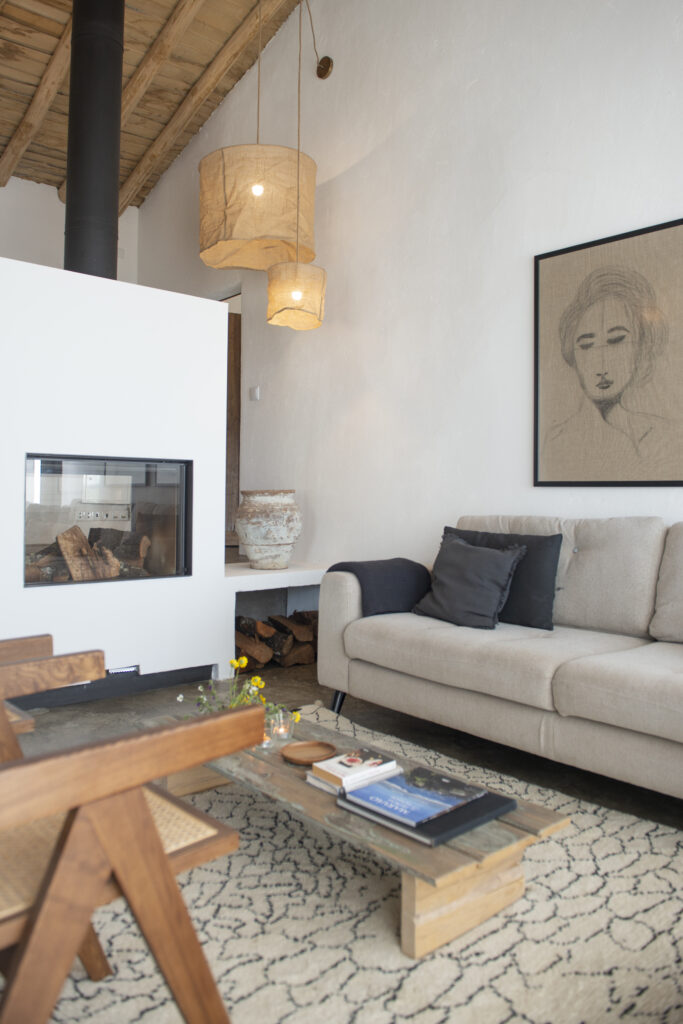
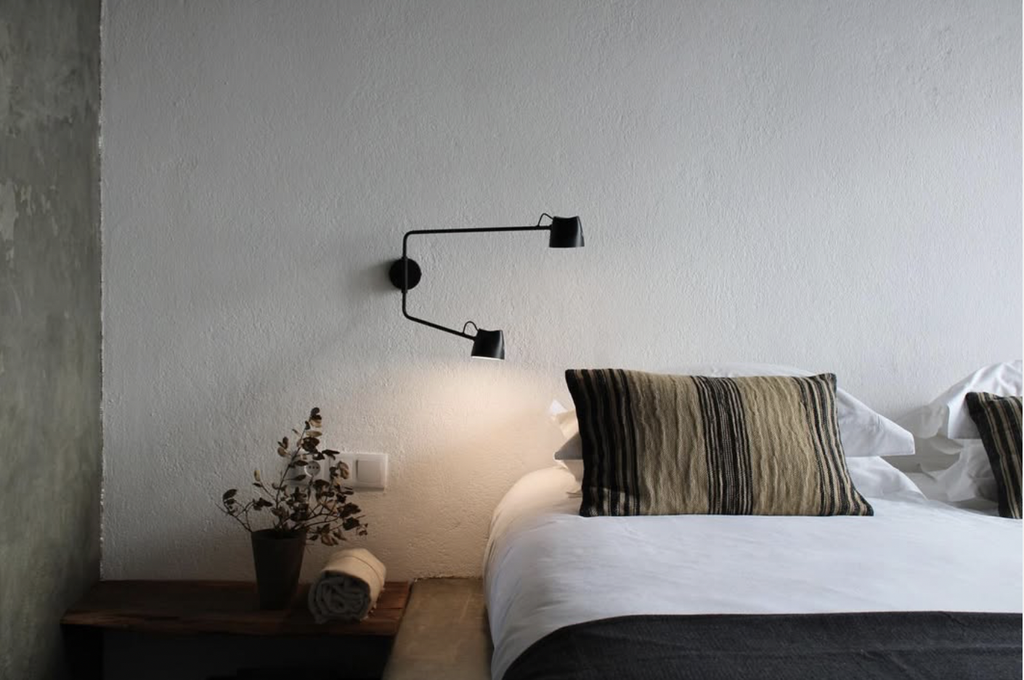
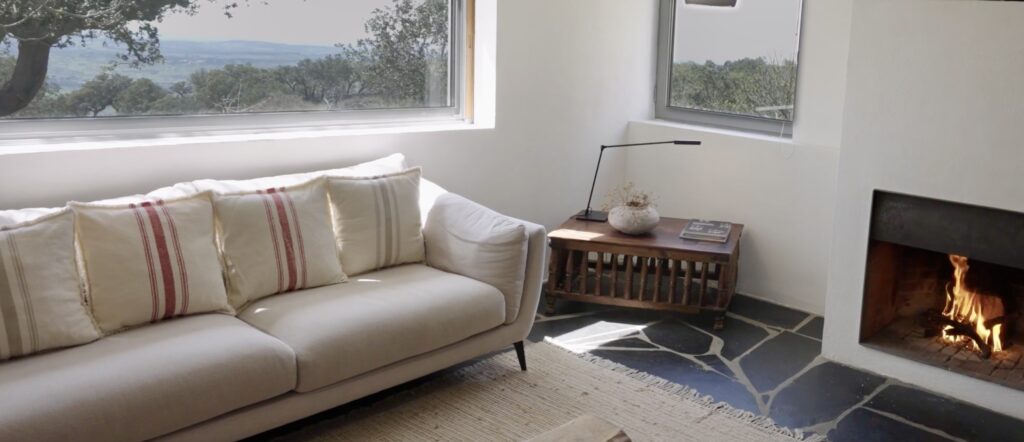
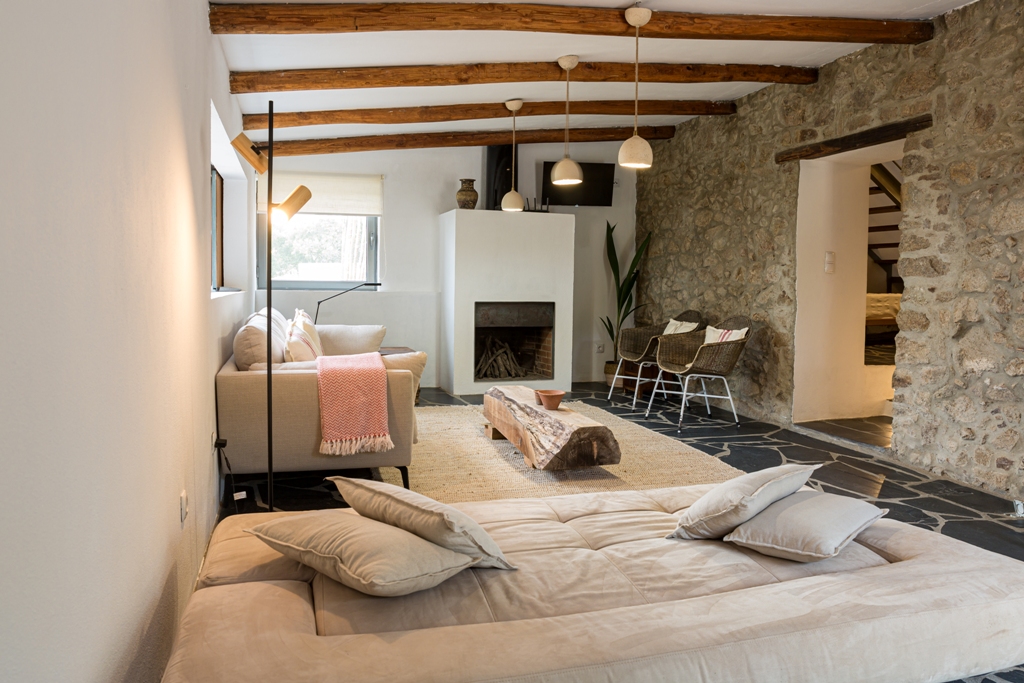
The lines are pure. The interiors breathe. The decoration is minimalist, sophisticated and luminous, but never cold. There is a conscious choice of materials, forms and elements that allows the eye to move through the house and find what truly matters: the landscape.
Outside, the Alentejo. Ahead, the mountains.
And then, a succession of horizons that seem to move further away the more we try to reach them with our eyes.
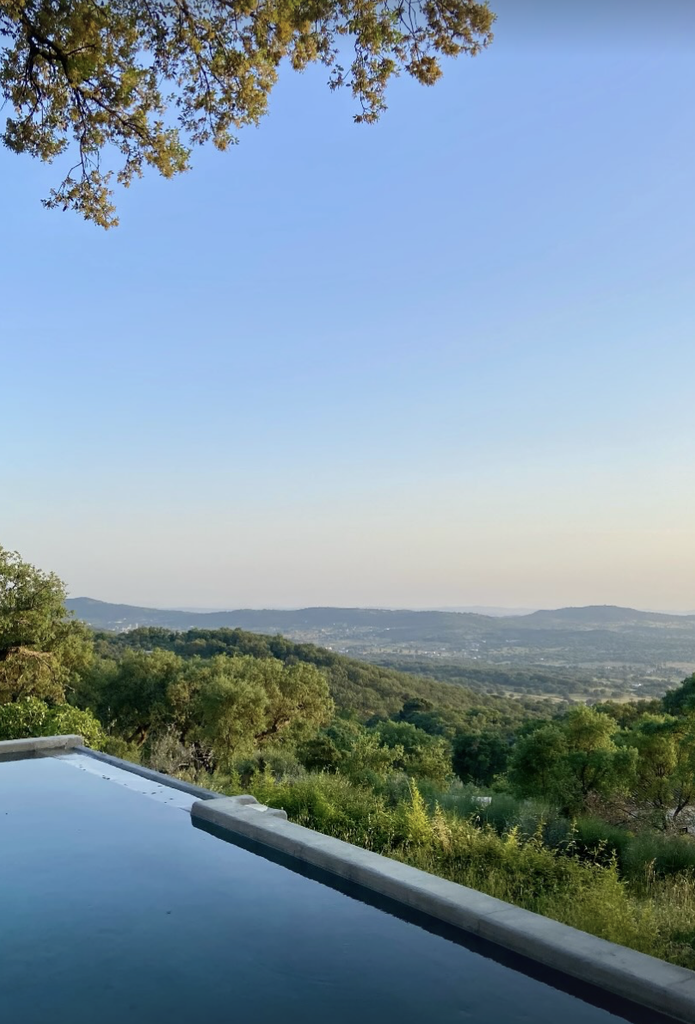
It is difficult to speak of Vigias without speaking of the view.
But perhaps it is more fitting to speak of the feeling of looking.
Because it is not only about what we see. It is about what happens to us when we spend a few minutes facing such an open landscape.
The body slows down. Breathing changes.
The thoughts that arrive with us, still full of the noise of the previous days, slowly begin to disappear.
Silence does the rest. Here, silence is not an absence. It is an almost physical presence.
It is there in the still-fresh mornings, when the light begins to enter the houses. It is there during the warm hours of the day, when the landscape seems to rest. It is there at the end of the afternoon, when everything changes colour. And above all, it is there after sunset, when darkness arrives slowly and the sky seems to become larger.
It is a silence that can be heard.
And that, after a few days, we begin to seek.
Each of the five houses offers a different way of experiencing this encounter with the land. There is intimacy, privacy and space. There are interiors where simplicity becomes elegance and exteriors where the landscape seems to enter directly into the experience.
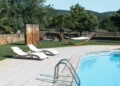
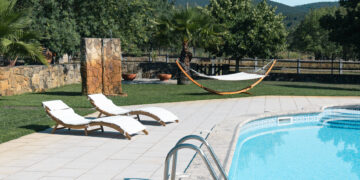
And they all have something that prolongs that feeling of freedom: a private pool.
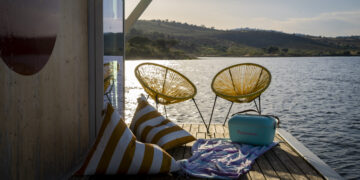
During the day, the water becomes almost an extension of the horizon. When we dive in, the feeling is of being simultaneously inside and outside the landscape. Later, as the heat begins to disappear, the pool becomes a place for contemplation.
Nothing else is needed. A book can remain closed. The phone can remain forgotten.
There are moments when simply being is the experience.
And then the afternoon arrives. Perhaps this is the most beautiful moment at Vigias.
The Alentejo light begins to change. The greens and ochres of the landscape take on new shades. The shadows slowly grow across the land and the sky begins to take on colours that seem impossible to repeat.
The sun descends. And for a few minutes everything seems suspended.
It is a spectacle without an audience, without music, without any need to be explained.
Only the horizon. And us before it. But Vigias still holds other ways of looking.
Within the property there are higher places, privileged points from which the scale of the landscape reveals itself in an even more extraordinary way. Climbing up to them is to discover that the view that seemed infinite from the house could still become larger.
And there is a tree.
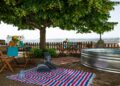
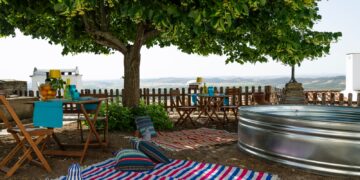
A tree that holds a small observation platform and seems to have been created for one of the simplest and most beautiful experiences that can be lived there: to climb, sit and look.
From there, the region opens in every direction. The mountains, the valleys, the shape of the land. And we, for a few moments, are above it all.
Not to dominate the landscape, but to understand it.
There is also another dimension to this land, an older one, that deserves to be discovered.
The proximity of the ruins of the Roman city of Ammaia adds to the Vigias experience a layer of time that is not immediately visible on the surface. Among the ruins remains the memory of a city that existed many centuries ago, integrated into the landscape of the Serra de São Mamede.
Walking there is to enter a different time. Stones, paths, traces of buildings and the surrounding landscape remind us that this land has already witnessed other lives, other people, other everyday lives.
And then we return to Vigias.
To contemporary architecture. To silence. To water. To the horizon.
It is a fascinating passage between two times.
A place where history has not disappeared and another where the present has found a way of living in harmony with the land.
Among the five houses, Casa Cal deserves special attention. There are houses that impress us when we enter.
Casa Cal wins us over slowly.
Perhaps it is the light. Perhaps it is the way the spaces open onto the landscape. Perhaps it is the simplicity of the lines, which allow the architecture to speak without ever raising its voice.
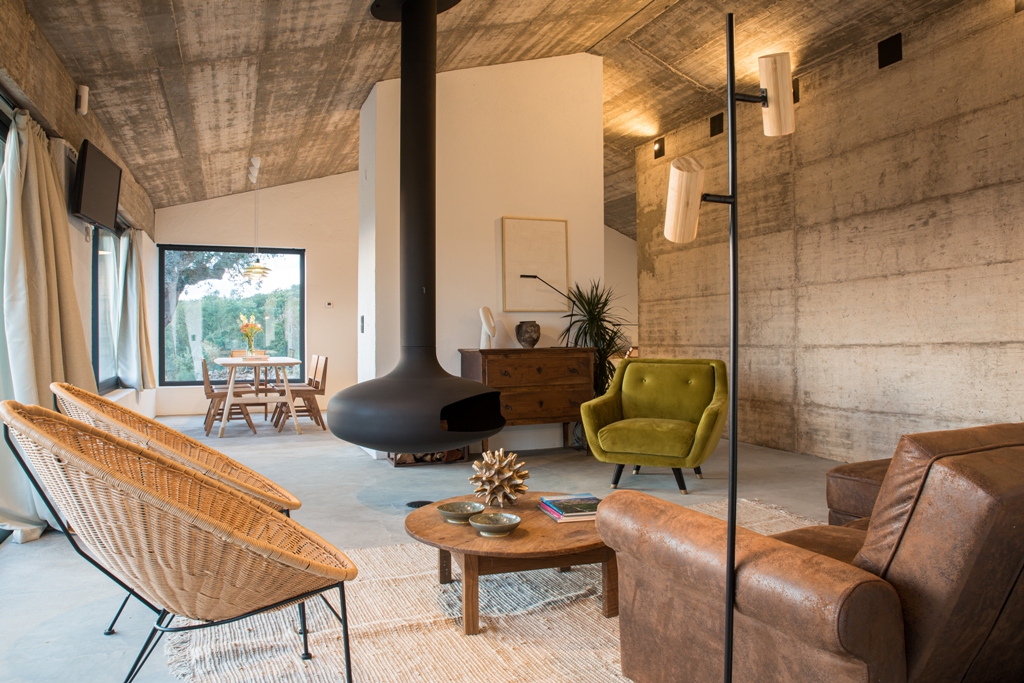
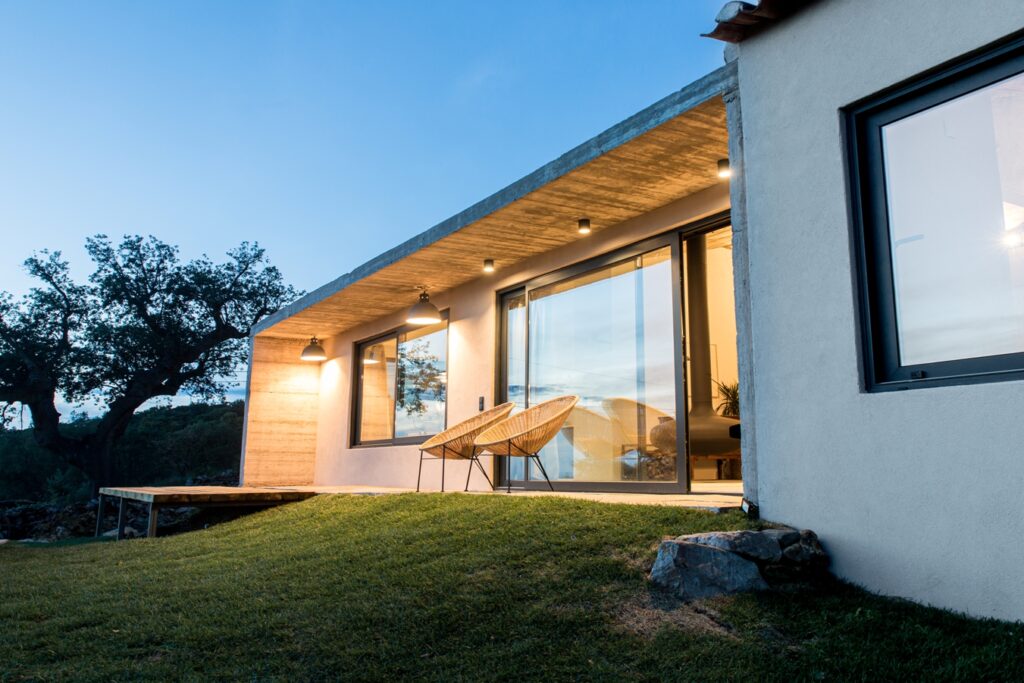
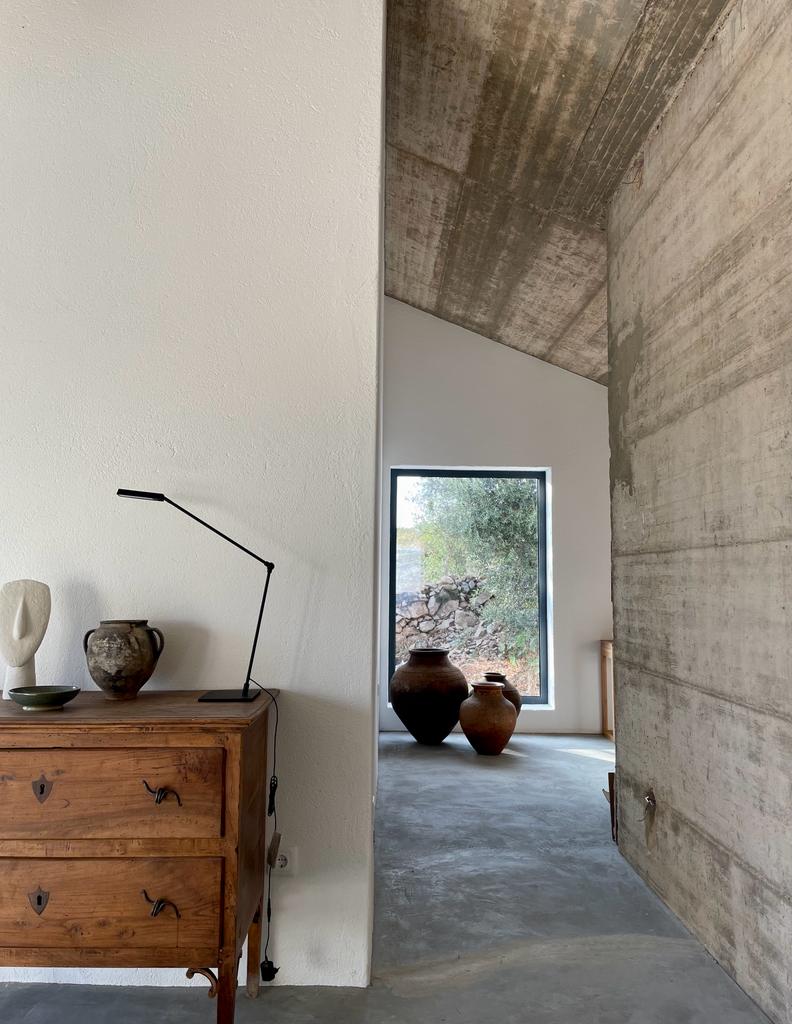
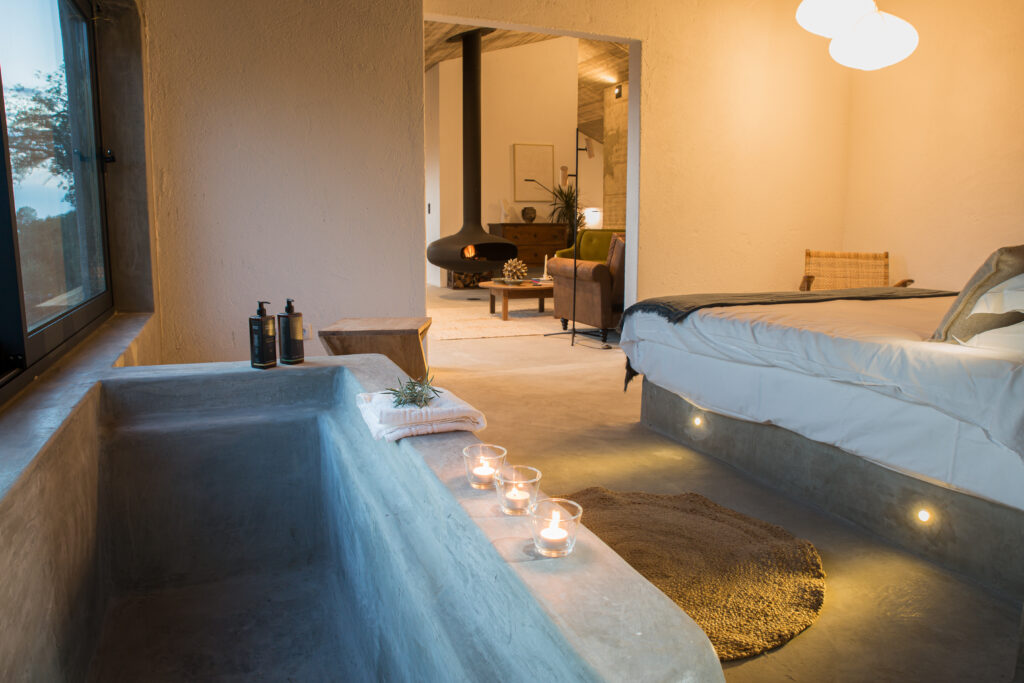
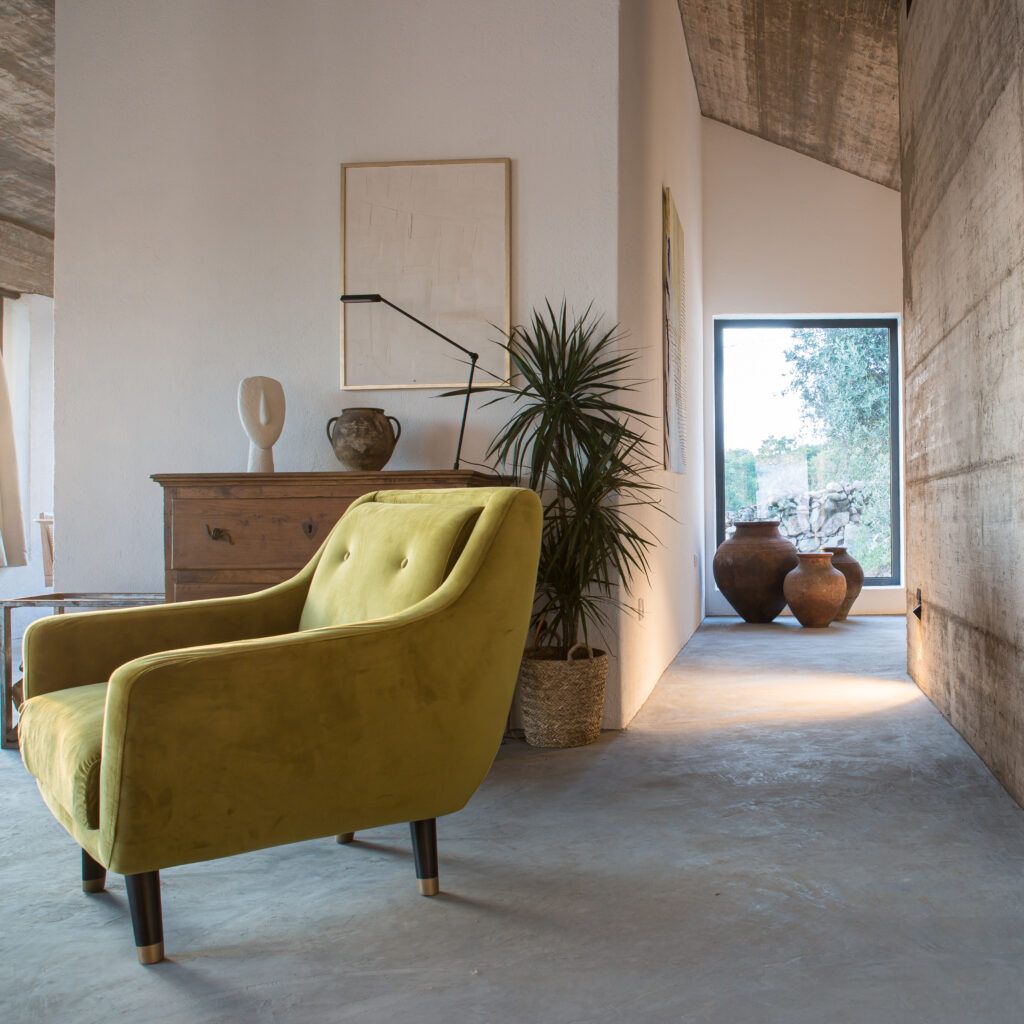
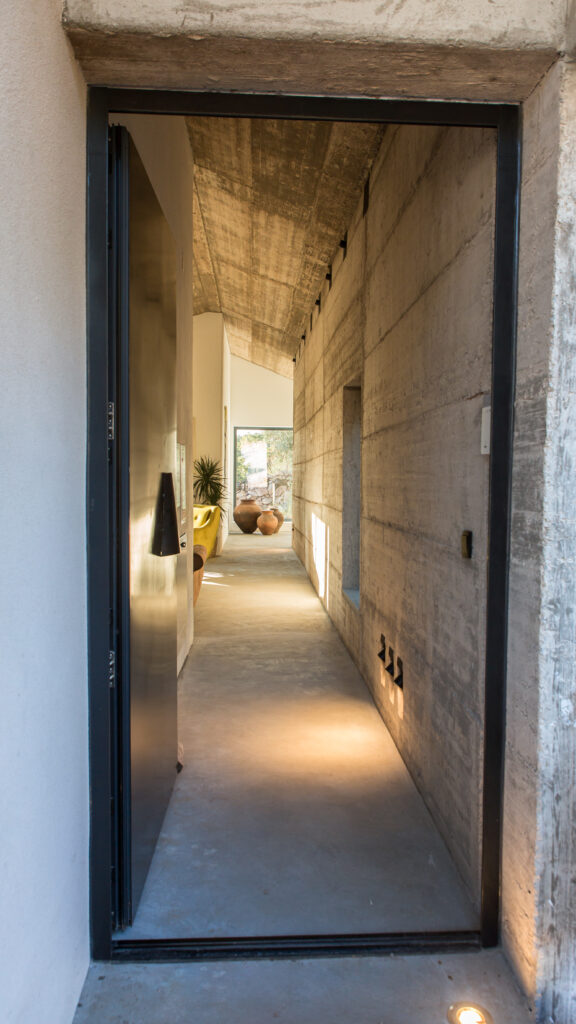
It is a house designed to be lived in.
The space is generous, the decoration maintains the refined elegance that characterises Vigias and each element seems to be in the right place. Nothing is excessive. Nothing interrupts.
And yet, there is no sense of emptiness.
There is space to breathe.
Space to talk. Space to rest. Space simply to look.
Casa Cal also has that very particular characteristic of Vigias: the more time we spend there, the more we realise that true luxury is outside.
In the light that crosses the house. In the landscape that changes throughout the day.
In the horizon that is never exactly the same. In the pool that reflects the sky.
In the silence that arrives as night falls. It is a house where the interior seems to exist to frame the exterior.
And perhaps that is one of the most beautiful forms of architecture.
Not that which seeks to be admired. But that which makes us notice the world. At Vigias, the Alentejo is not decoration.
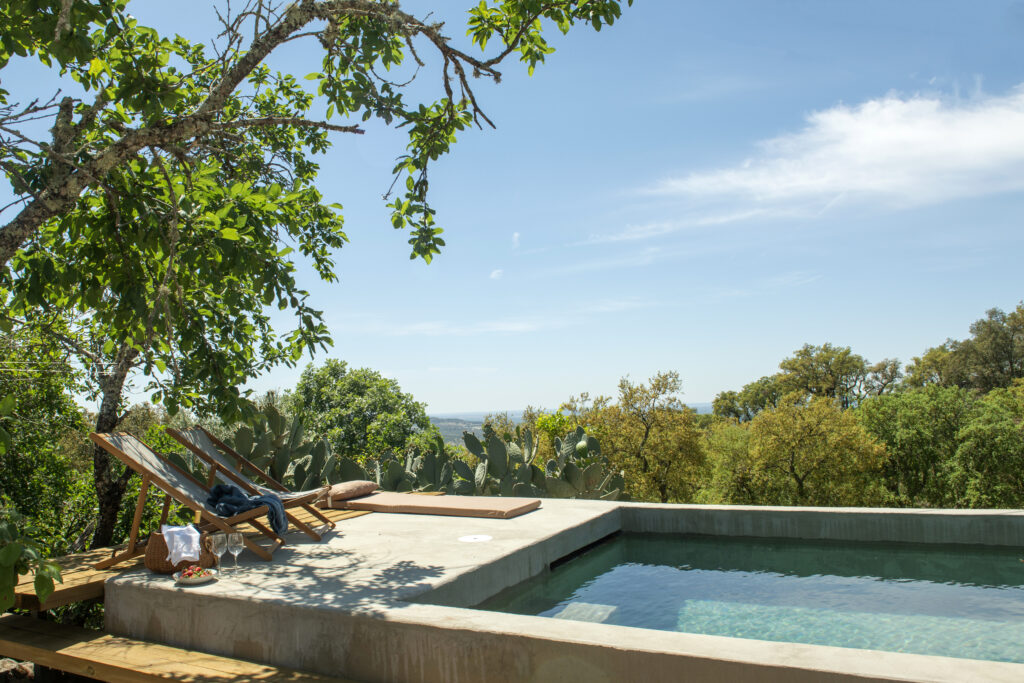
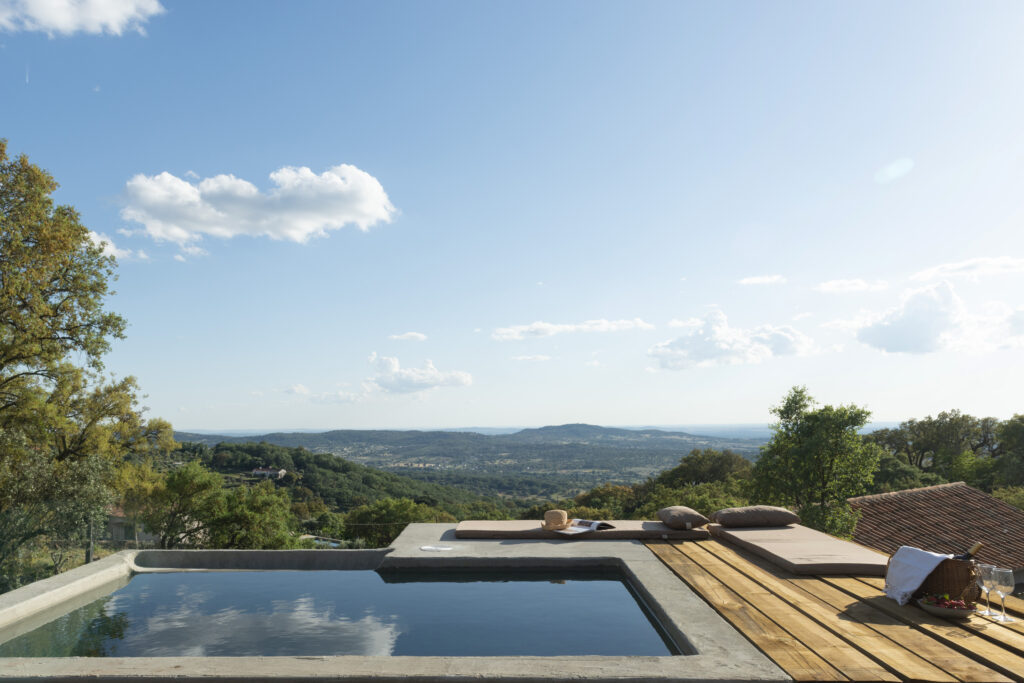
It is part of the experience. It is the deep green of a tree against the sky. It is the earth warmed by the sun.
It is the mountains in the distance. It is the golden light of late afternoon. It is the clear darkness of the night.
And it is also the feeling of space that settles within us when we realise that, for a few days, we do not need to be anywhere.
We can simply be here. It is this freedom that transforms a stay at Vigias into such a particular experience.
There is no obligation to fill the time. We can walk.
We can swim. We can explore. We can climb up to the tree platform.
We can visit Ammaia. We can discover Marvão and the Serra de São Mamede.
But we can also do absolutely nothing.
And perhaps this is one of the greatest forms of luxury that still remain to us.
To have time. Time to wake up without hurry. Time to have a coffee while looking at the landscape.
Time to stay in the water until the sun goes down. Time to wait for sunset.
Time to listen to the silence. Time to do nothing.
In a world where almost everything happens quickly, Vigias offers an increasingly rare experience: the possibility of recovering our own rhythm.
And perhaps that is why, when the time comes to leave, saying goodbye is strangely difficult.
We do not leave only a house. We leave that view.
That light. That tree. That pool.
That silence. We leave a land that, for a few days, seemed to belong to us.
And we take with us a memory that is not made of extraordinary events, but of small moments.
A bright morning. A late-afternoon swim.
The shade of a tree. An endless horizon. The sky changing colour.
And that last moment before night arrives, when there is still enough light to see the mountains, but we can already begin to feel the deep silence that accompanies the night.
Perhaps that is the essence of Vigias.
Not to offer an escape from the world, but a different way of looking at it.
Five houses. An immense landscape.
The ancient history of Ammaia.
The mountains.
The light. The water. And the silence.
Everything that, after all, we need to remind ourselves that time can also be lived slowly.
And that there are places where the horizon does not end.
It simply continues within us.